What Are You Supposed To Tell Your Lawyer?
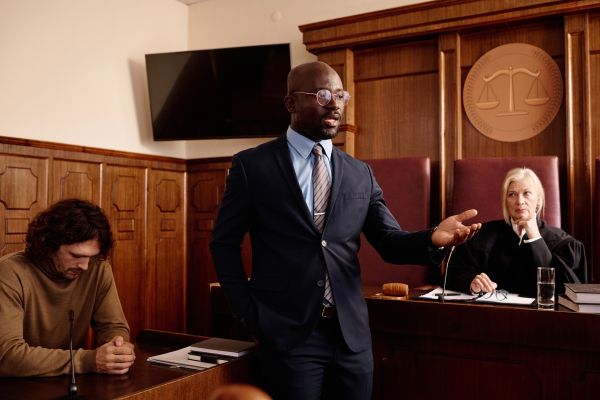
A criminal defense lawyer can provide better legal representation when a client shares a clear and complete picture of what happened. Criminal allegations can make people feel embarrassed, angry, or afraid to discuss certain details. However, honest communication gives a Missouri lawyer the information needed to review the case thoroughly, protect the client’s rights, and mount a strong defense.
Start with the full story
Defense attorneys need to understand the events leading up to the allegation, not just the moment police became involved. Even if details seem unimportant to the client, they can help explain how events unfolded and identify witnesses. Moreover, it may show why a law enforcement officer made certain assumptions.
When speaking with their lawyer, a client should describe what happened in their own words and avoid shaping the story to fit what they think sounds best. Keeping information from one's lawyer is not recommended; they cannot prepare for an issue that remains hidden.
Let the lawyer know about any law enforcement interactions
Police contact can happen in many ways. A law enforcement officer may stop someone in traffic, knock on a door, call to request an interview, execute a search warrant, or make an arrest. Clients should tell their lawyer about every interaction, even if the conversation seemed brief or casual. This includes statements made before, during, or after an arrest. It also includes written messages, phone calls, consent to search, field sobriety tests, breath tests, and interviews at a police station.
Bring any documents and digital evidence
Tell the criminal defense lawyer about any material that could relate to the case, such as:
- Text messages, call logs, emails, or social media messages
- Photos or videos from the day of the alleged incident
- Work schedules, receipts, calendar entries, or location records that support a timeline
In the same vein, never delete messages, change posts, or try to edit evidence. Even information that feels embarrassing may matter. A lawyer can help the client find the best way to handle it.
Disclose prior cases and current obligations
Prosecutors and courts will review criminal history, so a Missouri lawyer needs the same information early in the process. Clients should tell their defense attorney about any prior criminal charges, convictions, probation, pending cases, traffic matters, and past contact with law enforcement.
Clients should also discuss any current obligations that could affect the case. Examples include immigration concerns, professional licensing issues, and military service. The lawyer can better explain the possible consequences when the full background is available.
Do not leave out facts that feel uncomfortable
Many people worry that telling their lawyer something damaging will weaken their case. In reality, learning the full truth early allows the lawyer to prepare. A client may have sent an angry message, made a poor decision, spoken to police without counsel, or posted about the situation online. Those facts may be difficult to share, but they are better addressed before the prosecution raises them. Remember, the defense attorney works for the client and is there to help.
Schedule a consultation
A criminal defense lawyer can offer more useful guidance when the client is open and honest with them. They can identify legal issues, prepare for possible evidence, and build a strategy tailored to the client’s circumstances. Ready to speak with a Missouri lawyer? Contact Dean Price Law today.
Request an appointment here: https://www.deanpricelaw.com or call Dean Price Law at (417) 865-2181 for an appointment in our Springfield office.
Check out what others are saying about our services on Yelp: Lawyer in Springfield, MO.
Recent Posts
Finding a "law firm near me" can provide important guidance as soon as a Missouri criminal investigation, arrest, or charge becomes a concern. Many people wait until a court date arrives, but early legal help can protect one’s rights and make the next steps easier to understand. After all, a criminal case can affect employment,…
A DUI defense attorney can help Missouri residents understand the next steps after a second or later arrest for driving while intoxicated (DWI). A repeat accusation can raise more serious concerns than a first offense, including higher-level charges, stricter driving limits, and more complex court procedures. However, an arrest does not decide the outcome of…
A homicide attorney helps clients facing serious allegations regain a sense of control during an overwhelming time. Homicide cases are complex, involving different classifications ranging from capital murder to involuntary manslaughter. Each of these carries distinct legal requirements and life-altering consequences, the most serious being death row. Exploring the answers to some of the most…
A misdemeanor attorney fights for the rights of those facing minor drug charges. Like any other state, Missouri has specific thresholds for drug possession, and the legal process often moves quickly. (For instance, possessing more than 10 grams but 35 grams or less of marijuana or synthetic cannabinoids is a Class A misdemeanor.) When hired…